| Token Icon | Coin | Current Price | 24H High | 24H Low | Volatility |
|---|---|---|---|---|---|
 |
Bitcoin | $85,221.3 | $90,592.7 | $84,222.00 | -4.72% |
 |
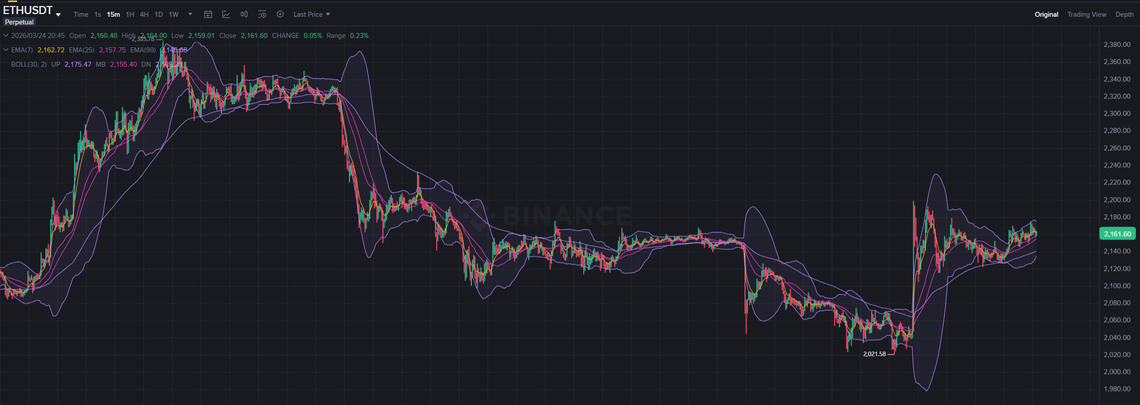
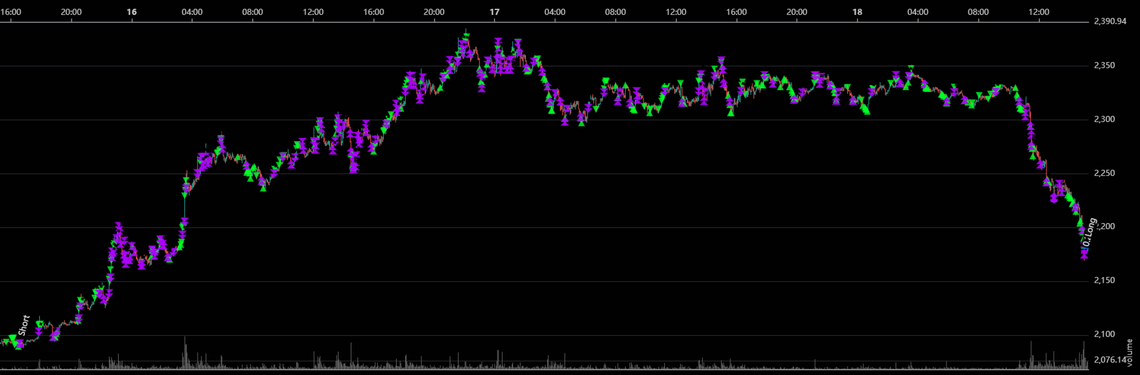
Ethereum | $2,832.60 | $3,038.1 | $2,795.03 | -5.78% |
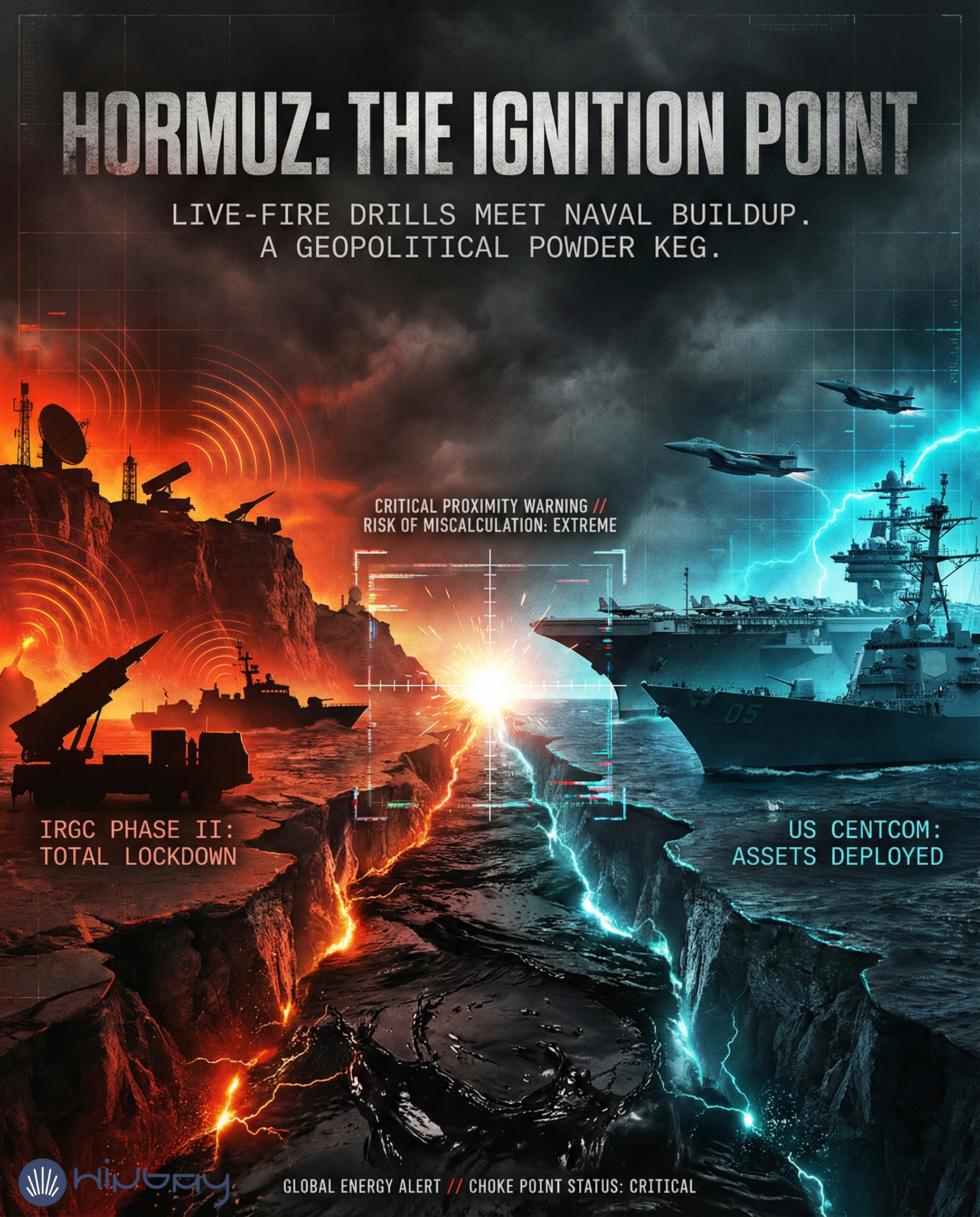
Geopolitical tensions in the Middle East have reached a critical new high as the Islamic Revolutionary Guard Corps (IRGC) officially announces live-fire military exercises in the strategic Strait of Hormuz. The move is widely interpreted as a direct signal to the United States following a significant accumulation of American naval assets in the region. Global energy markets are on high alert, fearing potential disruptions to the choke point through which 20% of the world's oil passes.
1. The Drills: Total Lockdown of Sea and Air
According to issued aviation notices (NOTAMs) and maritime warnings, the Iranian military operation is unfolding in two distinct phases:
- Phase I (Concluded): From January 27 to 29, Iran designated a 5-nautical-mile radius exclusion zone and classified airspace up to 25,000 feet as a "danger area," restricting civilian transit.
- Phase II (Upcoming): Official sources confirmed today (Jan 29) that the IRGC Navy will conduct large-scale "live-fire" exercises on February 1 and 2 in key waters of the Strait.
Tehran asserts that through advanced surveillance networks, it now holds "total control" over the surface, subsurface, and airspace of the Strait. IRGC commanders have warned that any use of the waterway to threaten Iran will result in the area being treated as a hostile zone.
2. US Response: Carriers and Bombers in Position
Simultaneously, the US military footprint in the region has reached its highest level in years. Pentagon sources indicate:
- Naval Power: The USS Abraham Lincoln Carrier Strike Group has been redirected from the South China Sea to the Middle East. Additionally, the destroyer USS Delbert D. Black entered the waterway within the last 48 hours, bringing the total number of US destroyers in the immediate area to six.
- Air Power: U.S. Central Command (CENTCOM) is synchronizing readiness drills, with F-15E Strike Eagles and aerial refueling tankers deployed to Al Udeid Air Base in Qatar.
Washington has reiterated that "all options are on the table," cautioning Tehran against miscalculation.
3. Analysis: The Risk of Escalation
This standoff occurs against a backdrop of stalled diplomatic negotiations between Tehran and Washington.
- Flashpoint Risk: Military analysts warn that with both sides conducting high-intensity maneuvers in such confined waters and airspace, the probability of an accidental engagement or "miscalculation" has risen exponentially.
- Energy Lifeline: While commercial shipping has not yet been halted, insurance premiums for vessels transiting the Strait are expected to spike immediately. Any substantive conflict could send oil prices soaring.